"Mekong" is the current name of the river that flows through several countries in Southeast Asia, including China, Myanmar, Laos, Thailand, Cambodia, and Vietnam. The name "Mekong" comes from the Lao language, where it is spelled "Mae Nam Khong." In Thai, the river is also called "Mae Nam Khong," and in Vietnamese, it is called "Cuu Long" or "Nine Dragons."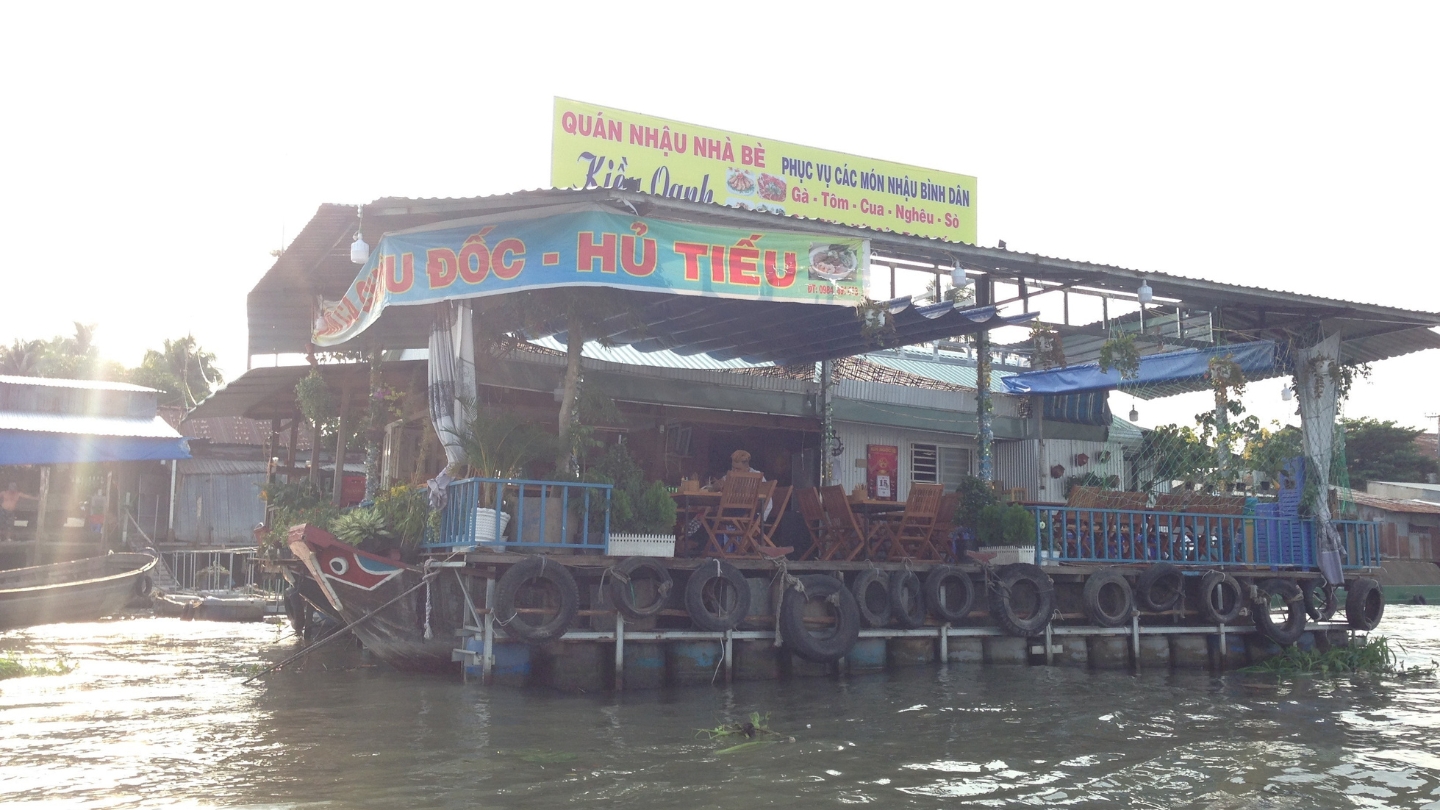 The Mekong River is the 12th longest river in the world, stretching for 4,900 kilometers (3,044 miles) from its source in the Tibetan Plateau to its delta in the South China Sea. It is a vital resource for the people and wildlife in the countries it passes through, providing irrigation for crops, fish for food, and hydroelectric power. The Mekong River is also home to a rich and diverse ecosystem, with thousands of species of fish, birds, and plants.
 The Mekong Delta is an area in southwestern Vietnam where the Mekong River empties into the sea. It's a very fertile region and is often referred to as Vietnam's "rice basket." There are many different interests in the area, including:
- Agriculture: The Mekong Delta is one of the largest producers of rice in the world, and also grows a variety of other crops such as fruit, vegetables, and seafood.
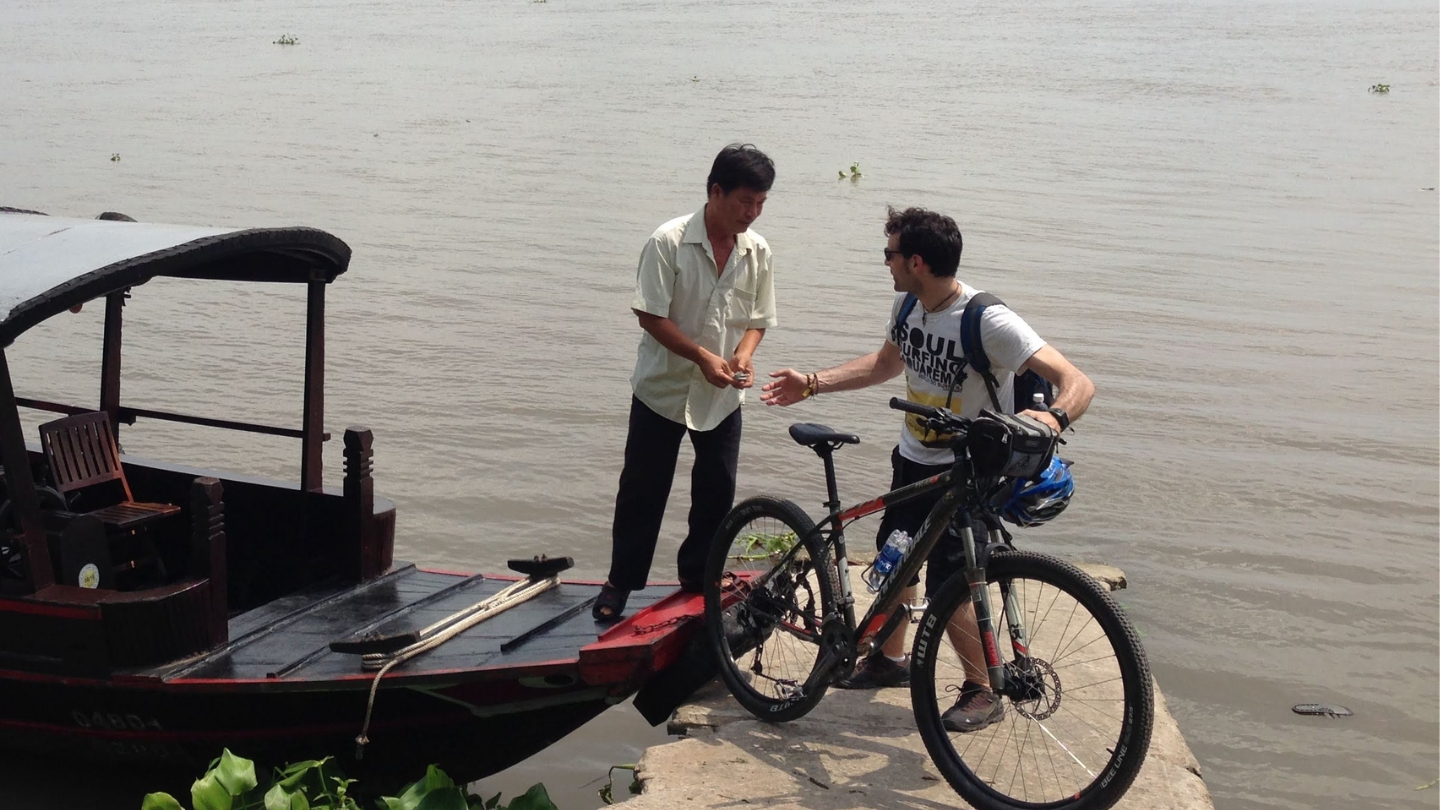
- Tourism: The Mekong Delta is a popular tourist destination, with visitors coming to enjoy the scenic landscapes, floating markets, and traditional villages.
- Culture: The Mekong Delta is home to many different ethnic groups, each with their own unique customs and traditions.
- Wildlife: The Mekong Delta is home to a wide variety of plant and animal species, some of which are endangered.