✅ The Mekong River is indeed a significant river in East Asia and Southeast Asia, running through several countries and playing a crucial role in the region. Here is some additional information about the Mekong River:
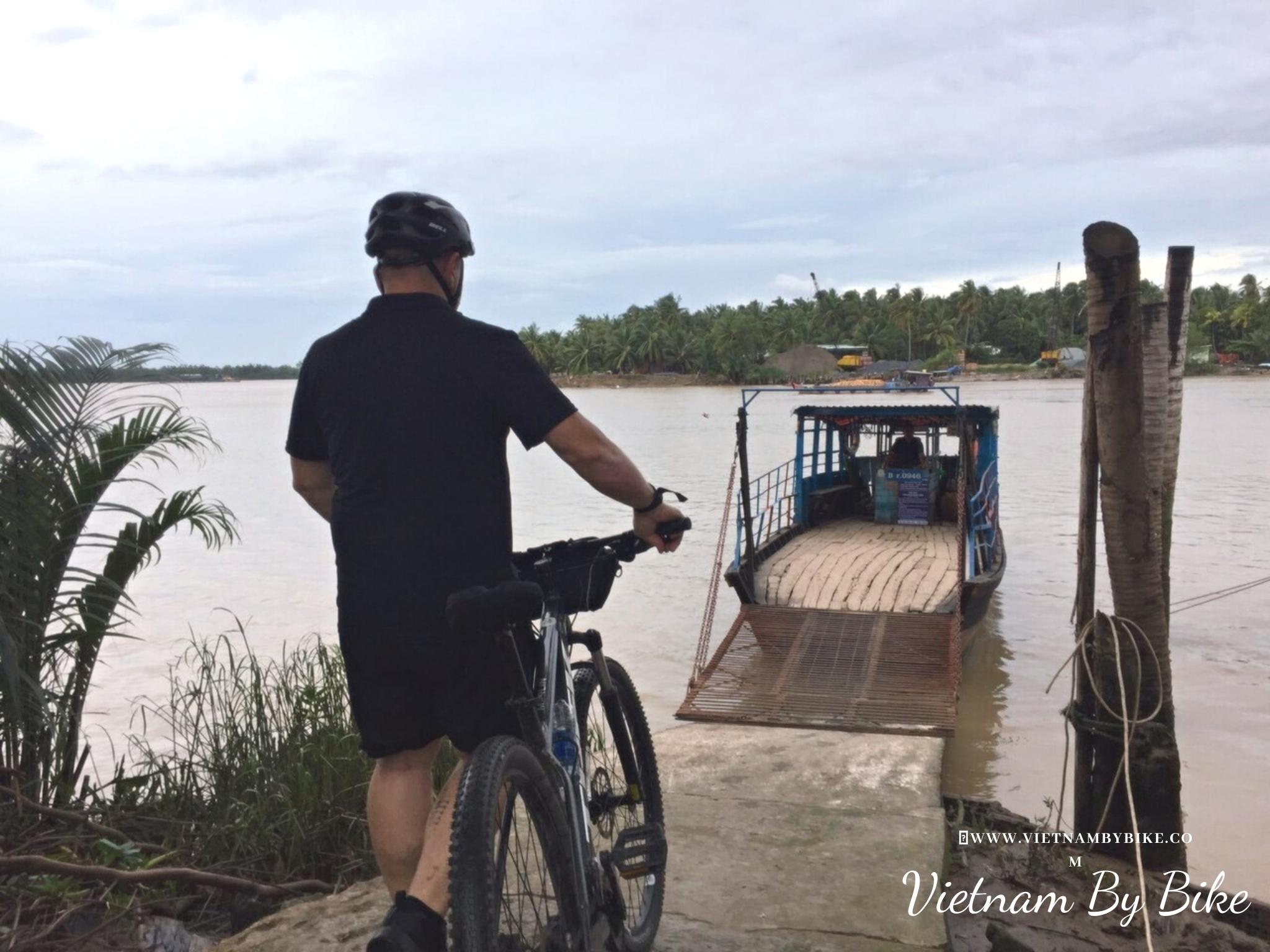
✅ Length and Drainage: The Mekong River stretches for approximately 4,909 kilometers (3,050 miles), making it the twelfth-longest river in the world and the third-longest in Asia. It has a vast drainage area of about 795,000 square kilometers (307,000 square miles) and discharges around 475 cubic kilometers (114 cubic miles) of water annually.
✅ Countries it flows through: Originating from the Tibetan Plateau, the Mekong River flows through several countries. It is called the Lancang River in China, where it originates, and then passes through Myanmar, Laos, Thailand, Cambodia, and finally, southern Vietnam. The river acts as a natural boundary between some of these countries.
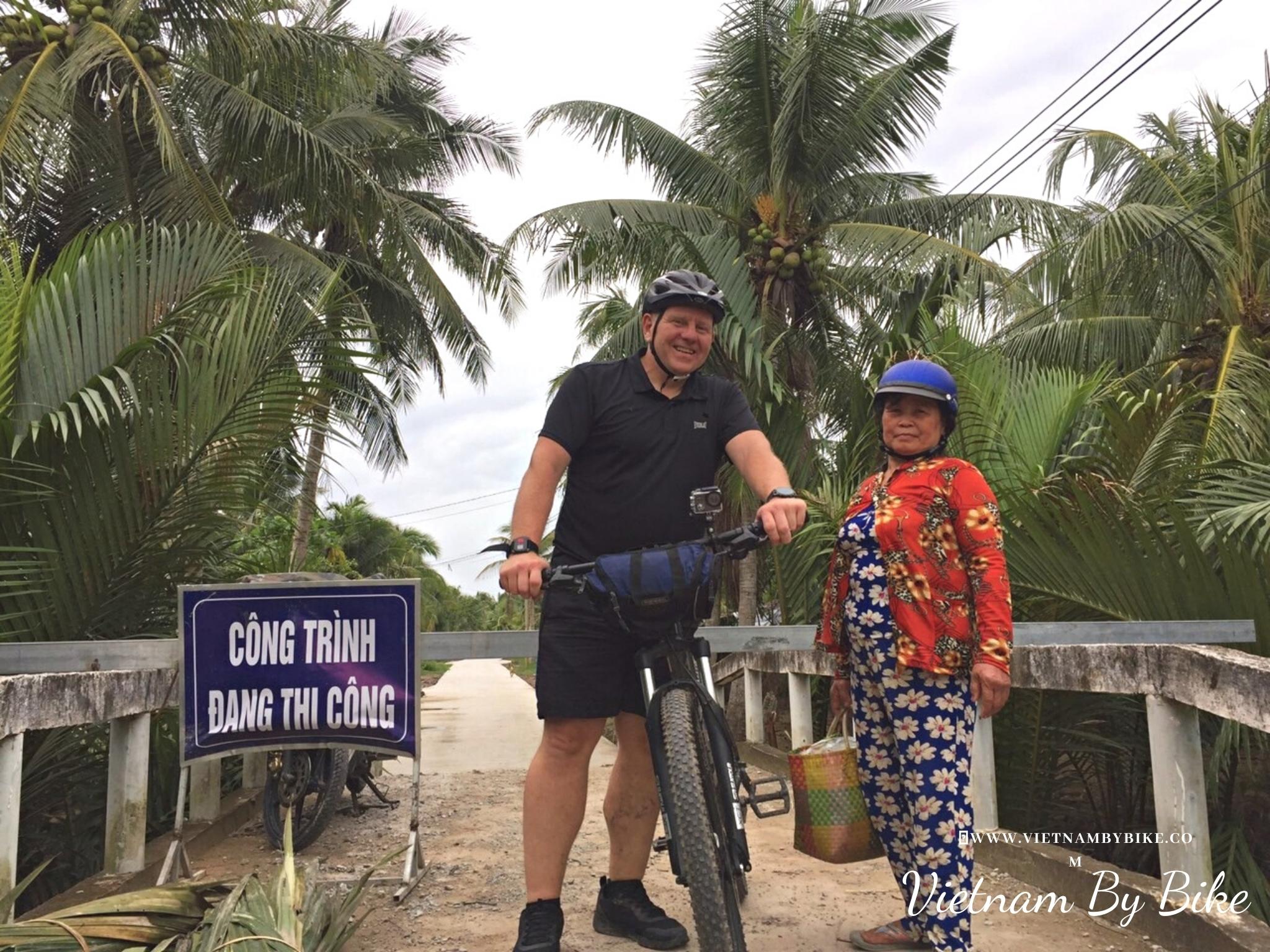
✅ Challenging Navigation: The Mekong River possesses extreme seasonal variations in water flow, with fluctuations caused by monsoon rains and snowmelt from the Tibetan Plateau. These variations, along with the presence of rapids and waterfalls, can make navigation along the river challenging.
✅ Importance as a Trade Route: Despite the difficulties in navigation, the Mekong River serves as a vital trade route between Tibet and Southeast Asia. It allows for the transportation of goods and facilitates economic activities along its banks.

✅ Hydroelectric Dams and Ecosystem: The construction of hydroelectric dams along the Mekong River in recent years has raised concerns about the river's ecosystem. The dams have various impacts, including altering the river's flow, impacting fish migration, and exacerbating drought conditions downstream. These issues require careful management and consideration for sustainable development. The Mekong Delta River's unique characteristics, cultural significance, and ecological challenges make it an important and fascinating geographical feature in the region.


