The Elephant Ear Fish, also known as the Elephantnose Fish, is a unique and fascinating species that originates from the rivers and streams of West Africa. With its distinctively elongated snout resembling an elephant's trunk, this fish has earned its common name.
The Elephant Ear Fish is part of the Mormyridae family, which is characterized by their excellent sense of electroreception. They have a specialized organ in their snout called the knollenorgan, which allows them to detect weak electric fields produced by other organisms in their environment. This adaptation helps them navigate and communicate in their often murky and dark habitats.
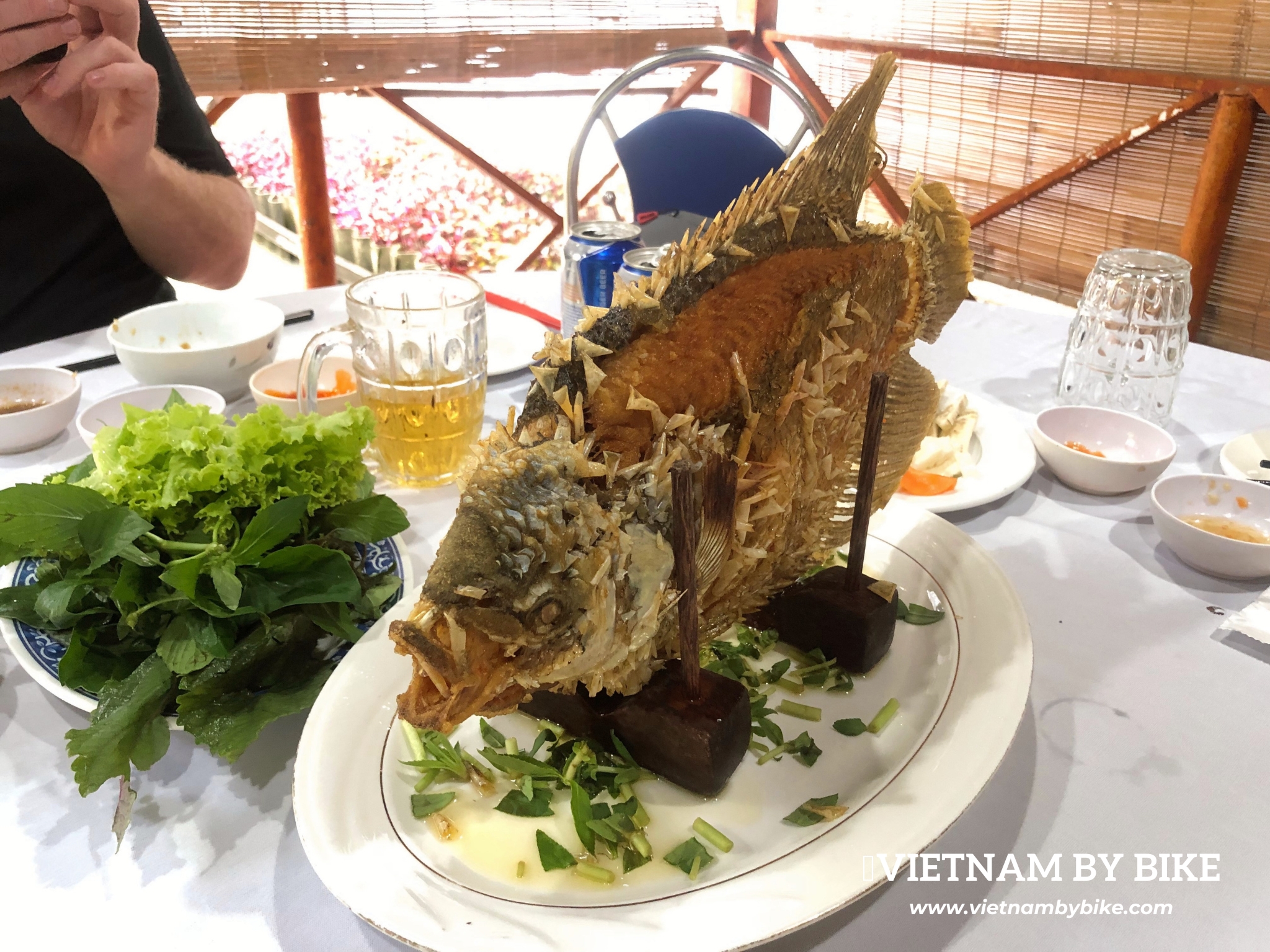
In terms of appearance, the Elephant Ear Fish has a slender, elongated body that can grow up to 8 inches in length. Their coloration varies from dark brown to black, with a lighter belly. Their most striking feature is their large, distinctively shaped pectoral fins, which resemble the ears of an elephant.
These fish are primarily nocturnal, preferring to hide among rocks, roots, and vegetation during the day and becoming more active at night. They are considered peaceful and can be kept with other calm fish species. However, they are not suitable for small aquariums due to their size, and they require plenty of space to swim.
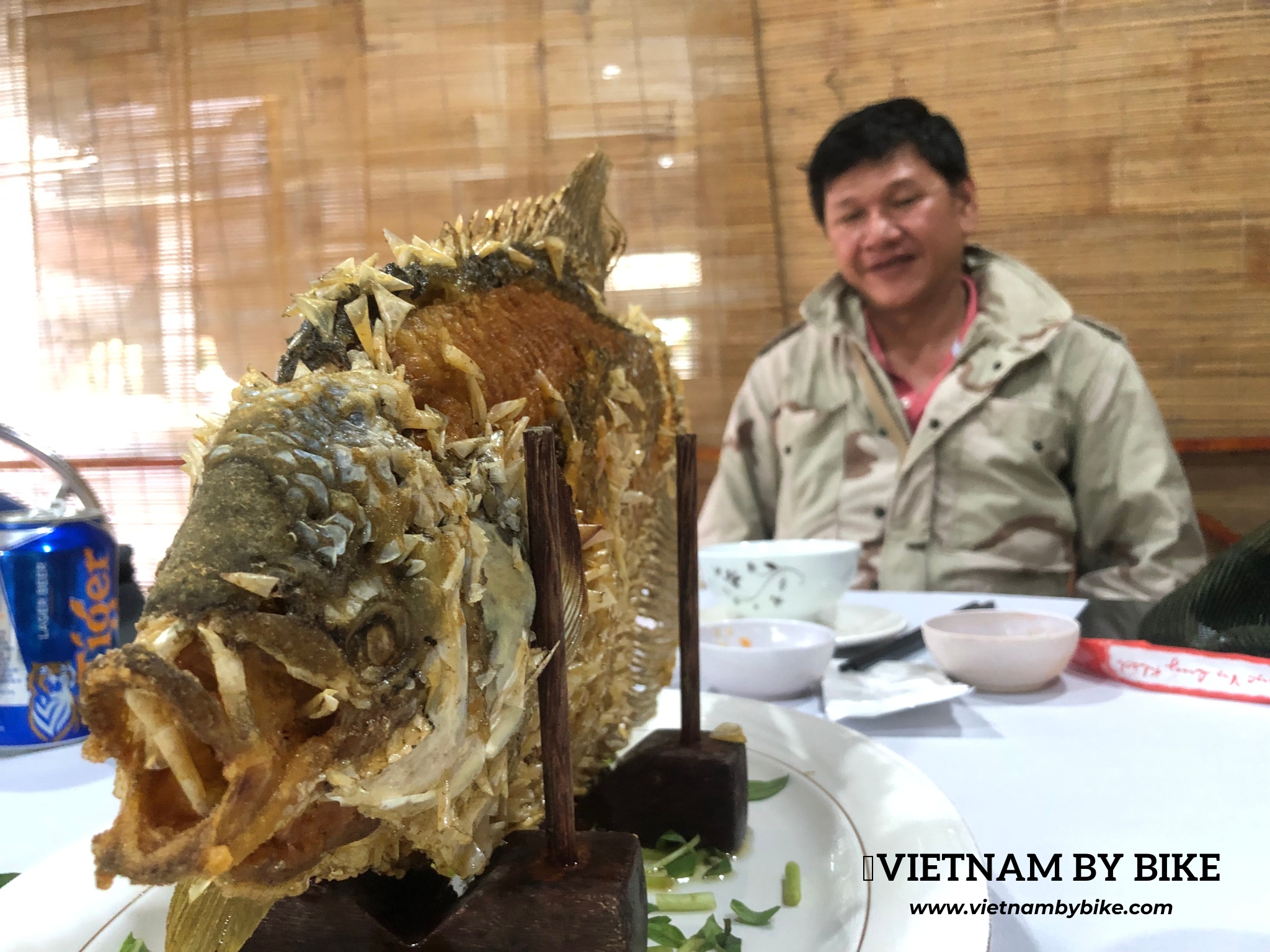
In terms of diet, the Elephant Ear Fish is a carnivorous species. In the wild, they feed on small invertebrates, worms, insects, and crustaceans. In captivity, they can be fed a diet consisting of live and frozen foods such as bloodworms, brine shrimp, and daphnia.
Breeding Elephant Ear Fish in captivity can be challenging due to their specific requirements. They require soft, acidic water conditions and a well-established tank with plenty of hiding spots. The female will lay eggs, and the male guards them until they hatch.
Elephant Ear Fish is a unique and captivating species that requires specialized care. With its striking appearance and fascinating behaviors, it can be an attractive addition to a well-maintained aquarium.
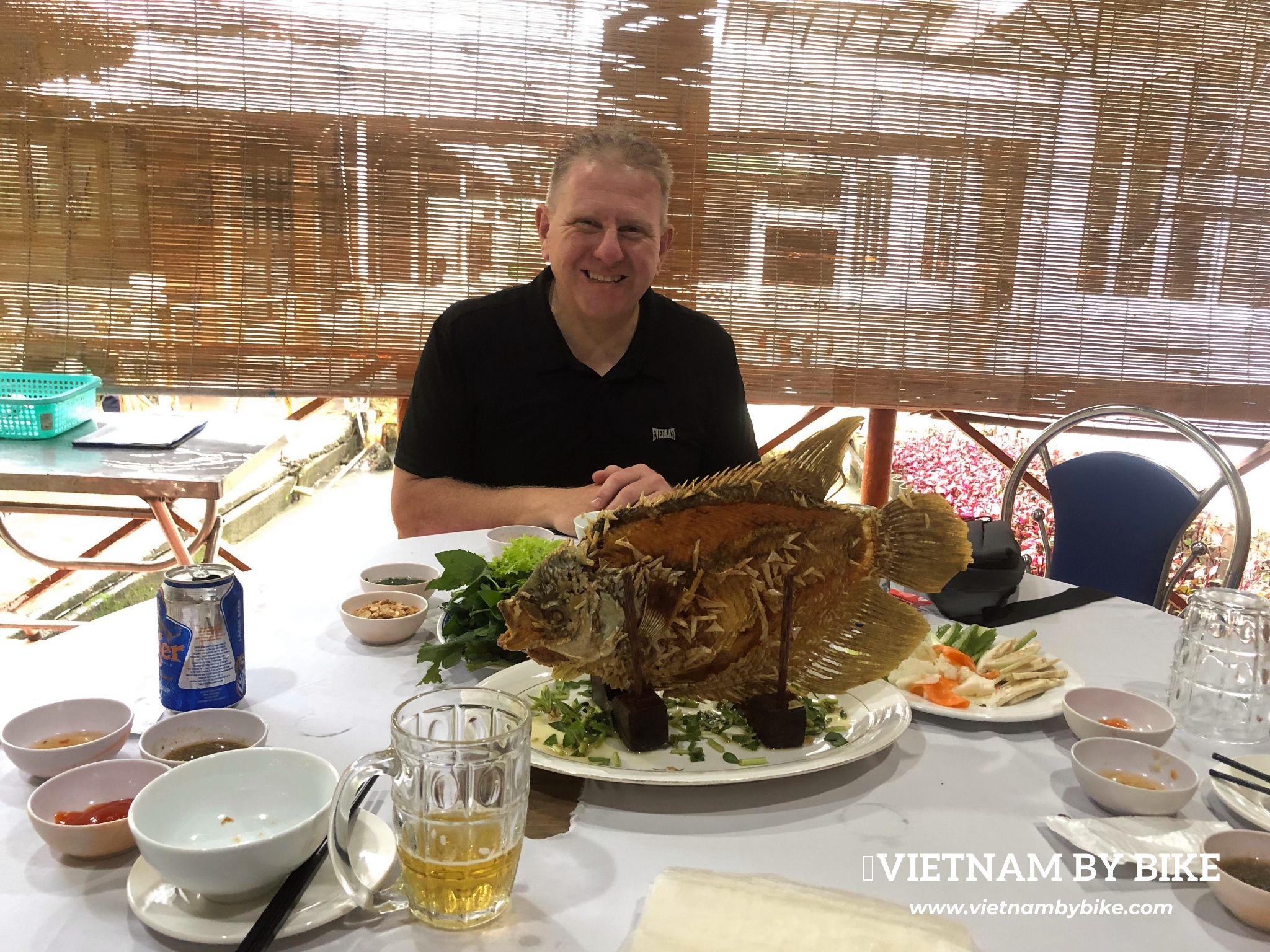
There are several tour companies that offer these types of tours, allowing you to explore the beautiful countryside while enjoying the local cuisine. Some popular destinations for food and cycling tours in Vietnam include Hanoi, Hue, Hoi An, and the Mekong Delta.
During these tours, you will have the opportunity to cycle through scenic rice paddies, visit local villages, and taste a variety of traditional Vietnamese dishes. You can try popular dishes like pho, banh mi, fresh spring rolls, and delicious street food.
These tours usually include knowledgeable guides who can provide insights into the local culture, history, and cuisine. They can also adapt the itinerary to suit your preferences and dietary restrictions.
Whether you're a food lover or a cycling enthusiast, a food and cycling tour in Vietnam is a fantastic way to explore the country's rich culinary traditions and beautiful landscapes.
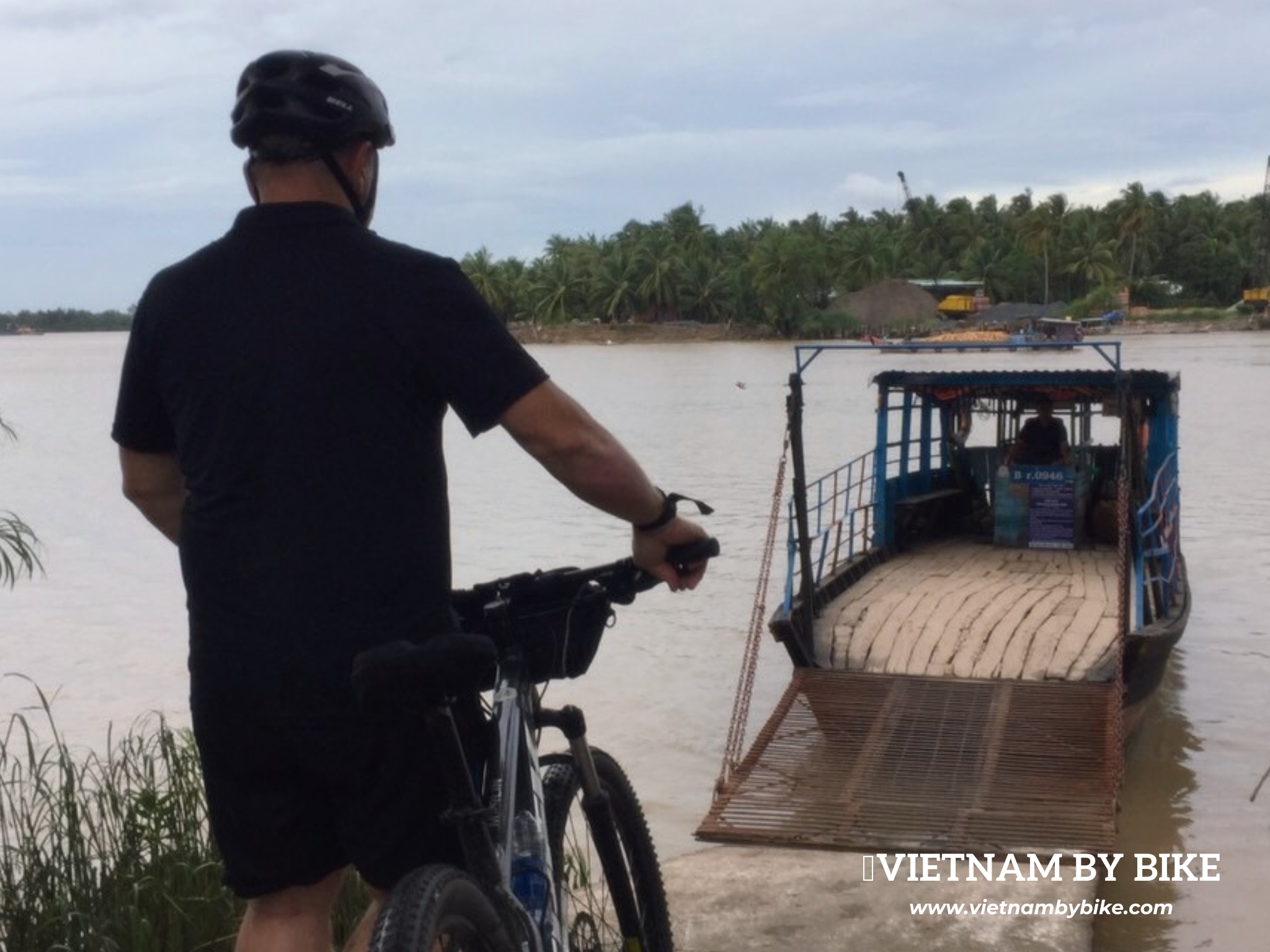
Booking a bike tour with a local company in Vietnam can be a smart choice for several reasons:
- Local Knowledge: Local tour companies often have a deep understanding of the culture, history, and geography of the region. They can offer unique insights into the destinations you'll be visiting and provide a more authentic experience.
- Safety: Local tour companies are familiar with the terrain, road conditions, and weather patterns in Vietnam. They can plan routes that are safe and tailored to your skill level, ensuring a smooth and enjoyable journey.
- Support local economy: By choosing a local company, you are supporting the local economy and contributing to the livelihoods of local guides and staff.
- Sustainable tourism: Local tour companies often have a greater focus on responsible and sustainable tourism practices. They are more likely to promote environmentally-friendly options, respect local communities, and contribute positively to the destinations they operate in.
- Language and cultural barriers: Local tour companies typically have guides who can communicate effectively in English and other languages, making it easier for you to understand instructions, ask questions, and interact with locals along the way.
- While you can certainly plan a bike tour in Vietnam on your own, booking with a local company can enhance your experience and ensure a hassle-free journey. Just make sure to do some research and read reviews to find a reputable and reliable tour operator.


